
Ophthalmologist in Dubai
Complete Guide to Eye Care, Conditions and When to Seek Treatment
Your eyes play an essential role in almost every part of daily life, from reading and working to driving and recognizing the people around you. Yet many eye conditions can develop gradually without obvious symptoms. Regular eye examinations with a qualified ophthalmologist can help identify vision problems and eye diseases early, allowing appropriate treatment and ongoing monitoring.
For people looking for an ophthalmologist in Dubai, choosing the right eye specialist involves more than simply checking whether a clinic provides vision tests. The doctor’s qualifications and experience, available diagnostic services, technology, treatment options, and approach to patient care all matter.
What Is an Ophthalmologist?
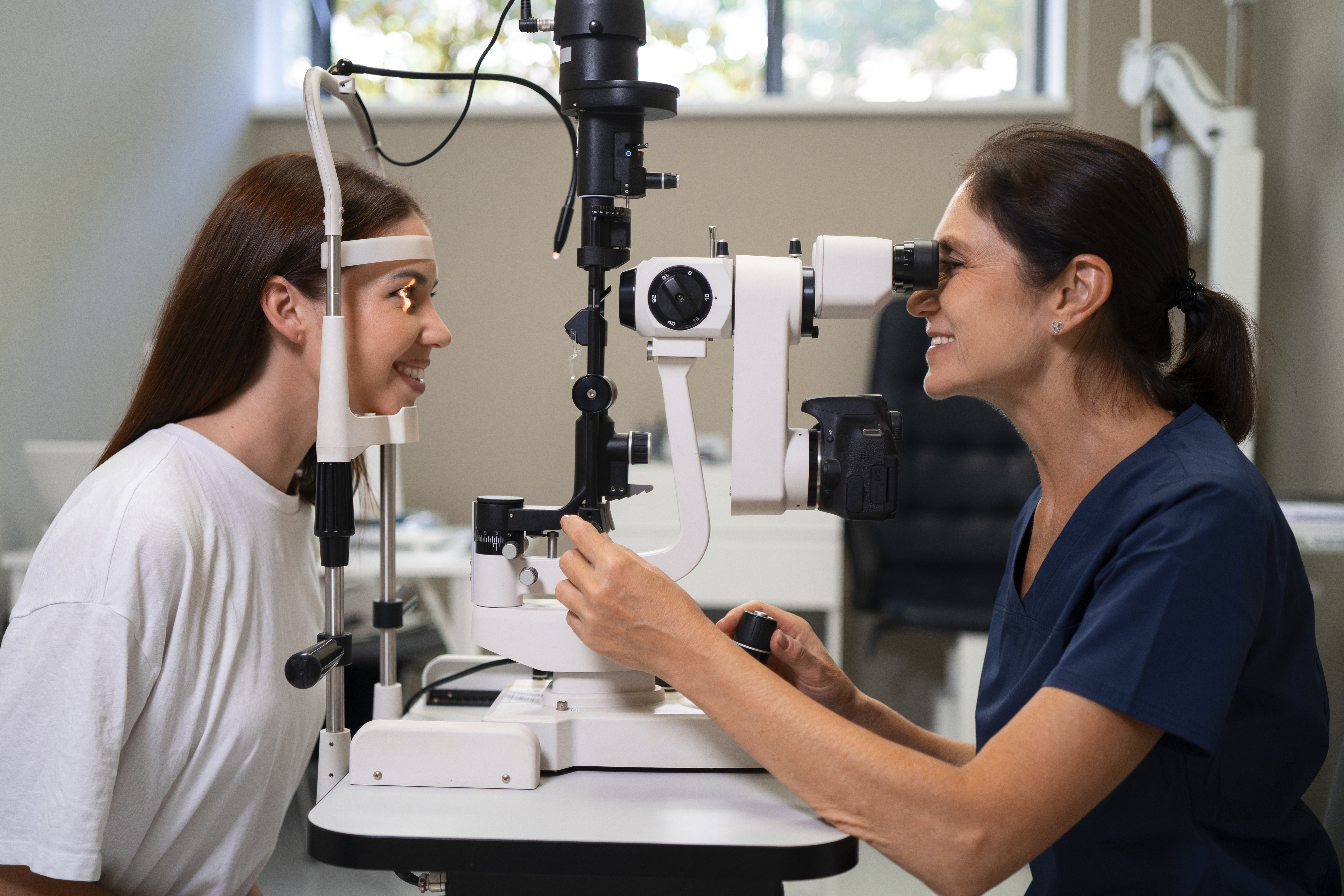
An ophthalmologist is a medical doctor specializing in the diagnosis, treatment, and management of eye and vision conditions. Depending on their expertise, they may provide medical treatment, perform eye procedures, and carry out surgeries.
An ophthalmology consultation may include vision and eye pressure assessment, examination of eye structures, and additional diagnostic tests based on the patient’s symptoms and medical history.
Ophthalmology services can address conditions such as cataracts, glaucoma, diabetic retinopathy, retinal and corneal disorders, dry eye disease, and refractive problems.
When Should You Visit an Ophthalmologist? Common Eye Conditions to Watch For
You do not need to wait for significant vision loss before seeing an ophthalmologist. Consult an eye specialist if you experience blurred or sudden changes in vision, double vision, eye pain, persistent redness or irritation, increased sensitivity to light, frequent headaches, difficulty seeing at night, excessive tearing, dry eyes, flashes of light, or a sudden increase in floaters.
Sudden vision loss, severe eye pain, or sudden flashes and floaters require urgent medical assessment. People with conditions such as diabetes or hypertension should also consider regular eye examinations, as these conditions can affect eye health.
Major Eye Diseases
- Cataracts: Cataracts occur when the eye’s natural lens becomes cloudy, leading to blurred or hazy vision, glare, and difficulty seeing clearly, particularly at night.
- Glaucoma: Glaucoma is a group of eye conditions that can damage the optic nerve, often associated with increased pressure inside the eye. If left untreated, it can lead to progressive vision loss.
- Age-Related Macular Degeneration (AMD): This condition affects the macula, the central part of the retina responsible for sharp, detailed vision. It can make activities such as reading or recognizing faces more difficult.
- Diabetic Retinopathy: Diabetes can damage the blood vessels of the retina, potentially causing vision changes and, in advanced cases, significant vision loss. Regular eye examinations are particularly important for people with diabetes.
Vision and Eye Surface Conditions
- Refractive Errors: Conditions such as nearsightedness (myopia), farsightedness (hyperopia), astigmatism, and presbyopia occur when light does not focus properly on the retina, resulting in blurred vision.
- Dry Eye Syndrome: Dry eye occurs when the eyes do not produce enough tears or when tears evaporate too quickly. It may cause dryness, irritation, burning, redness, or a gritty sensation.
- Conjunctivitis: Commonly known as pink eye, conjunctivitis is inflammation or infection of the conjunctiva, the thin membrane covering the white part of the eye and the inner surface of the eyelids. It may cause redness, watering, irritation, or discharge.
If you experience persistent changes in vision, eye pain, redness, flashes of light, new floaters, or other unusual eye symptoms, an ophthalmologist can assess the underlying cause and recommend appropriate treatment.
What Happens During an Eye Examination?
A comprehensive eye examination involves more than checking your vision. Depending on your symptoms and eye health, the ophthalmologist may assess:
- Medical History: Discussion of your symptoms, previous eye problems, medications, and family history.
- Vision Assessment: Checking visual clarity and identifying potential vision problems.
- Eye Pressure Measurement: Assessing pressure inside the eye, particularly when glaucoma is suspected.
- Retinal Examination: Examining the retina and other internal structures of the eye.
- Visual Field Testing: Evaluating your peripheral or side vision.
- Fundus Photography: Taking detailed images of the back of the eye when required.
- Optical Coherence Tomography (OCT): Producing detailed images of retinal layers and other eye structures.
- Corneal Topography: Mapping the shape and curvature of the cornea when clinically indicated.
- Other Specialized Tests: Additional imaging or investigations may be recommended based on the findings.
Not every patient needs every test. The ophthalmologist selects examinations based on your symptoms, age, medical history, and clinical findings.
How to Choose an Ophthalmologist in Dubai
Dubai offers many eye clinics and hospitals, so choosing an ophthalmologist in Dubai should depend on your healthcare needs rather than simply looking for a clinic claiming to be the “best.”
Check Qualifications and Experience
Consider the ophthalmologist’s qualifications, specialist training, and experience with your specific eye condition.
Consider the Services Available
A clinic offering comprehensive ophthalmology services can make diagnosis and follow-up more convenient. Services may include eye examinations, diagnostic testing, cataract evaluation, glaucoma management, retinal care, and dry eye treatment.
Look at Diagnostic Technology
Modern equipment such as OCT, retinal imaging, and visual field testing can help provide detailed assessments of the eyes when clinically indicated.
Consider Patient-Centered Care
Good eye care involves more than technology. Choose an ophthalmologist who listens to your concerns, explains your diagnosis and treatment options clearly, and provides appropriate follow-up, especially for conditions requiring ongoing monitoring.
Ophthalmology Care at Good Living Medical Centre
At Good Living Medical Centre (GLMC) in Dubai, ophthalmology care is provided as part of a multispecialty healthcare environment. Patients can consult an experienced ophthalmologist in Dubai for assessment and management of a range of eye and vision concerns.
Our ophthalmology services focus on proper evaluation, accurate diagnosis, personalized treatment planning, and appropriate follow-up. The clinic’s multispecialty setting can also be useful for patients whose eye health is connected with other medical concerns.
If you are experiencing changes in your vision or have been advised to undergo an eye examination, consulting an ophthalmologist can help determine whether further investigation or treatment is needed.

